How is Twitch changing the game?
Twitch is not as mainstream as other platforms like TikTok and Instagram but it’s growing a lot among Millennials and Generation Z, playing an important role, especially among gamers, with its streaming features. But not just that. We can see creative content of all sorts there, including music and personal video streams.
Owned by Amazon, Twitch has 33 million users in the US alone and reached 5.64 billion hours of video watched in Q2 worldwide, more than twice the time spent on YouTube Gaming Live and Facebook Gaming combined, according to Statista.
What is Generation Twitch?
In the Twitch report, they introduce “Generation Twitch”, made up of an audience that spans Millennials, Generation Z, and even the current generation: Generation Alpha. These generations are all under the influence of a digitalized life, where everything they live is based on their values, social behaviors, and how these generations communicate not only on a daily basis but also regarding their expectations from brands.
What do these generations expect from brands? An experience like no other. We are increasingly demanding and looking for brands that speak to our values, and that deliver products and services that we identify with. For our generations (yes, I’m included in that), it is no longer enough for the product to meet a need. We need to know that that brand speaks to our values.
Generation Twitch encompasses Generation Z and the most influenced, millennials, in addition to Generation Alpha (post-2012). Platforms like TikTok, Twitter, Reddit, and Twitch are where they are concentrated. For brands, targeting this audience is necessary, as the earnings of the 2.5 billion people who make up Gen Z are expected to increase fivefold to reach $33 trillion by 2030, according to the Twitch study.
The research also mapped current behaviors that eventually disappear as “Generation Twitch” emerges. Adam Harris, global head of the brand partnership studio at Twitch, says Generation Twitch was created in an age of information overload, where the authenticity of that information can be constantly questioned. So much so that we have never seen so much fake news and deep fakes as in the current years.
This pressure for authenticity has, interestingly enough, bred a new wave of online communities that are smaller and more niche-focused. Instead of chasing big follower counts, many younger users are seeking spaces where shared interests matter more than sheer popularity — think Discord channels about hyper-specific hobbies or Twitch streamers with smaller but more loyal followings. It’s almost like people are silently rebelling against the era where everything had to go viral, and brands that pick up on these shifts are the ones that really stand out.
There’s also this sort of unspoken contract floating around: show me who you really are, or I’m out. This may sound dramatic, but apparently, a quick scroll through any trending Twitch chat or Gen Z meme account makes it obvious that performative “relatability” is no longer enough. Young audiences are a bit ruthless about sniffing out pretense. Sometimes, even the effort to seem genuine backfires if it smells like marketing speak. It’s a wild environment for brands, honestly, but for those willing to scrap the old rulebook, it can be a pretty fascinating playground.
Therefore, this generation will seek authentic experiences. This means that this audience wants to be intimate with experiences where they are not polite, but which are, in fact, real.
For these generations, the meaning of our existence is in being human, where we can expose who we are without fear of judgment. And how can brands meet this demanding audience that we have become?
How can brands connect with these generations?
Each generation has its particularities despite the similarities they share. Therefore, it is important to know how to communicate with all of them at the same time. It’s a big challenge for brands, as they need to talk to these audiences in a way that everyone understands perfectly.
At this point, the context of what brands want to communicate is also very important, as each generation may understand it differently from the other.
If a brand uses symbols that are placed in the wrong context, it can end up taking on an unintended meaning and have negative consequences. The real meaning may be lost between generations as the symbol takes on meaning.
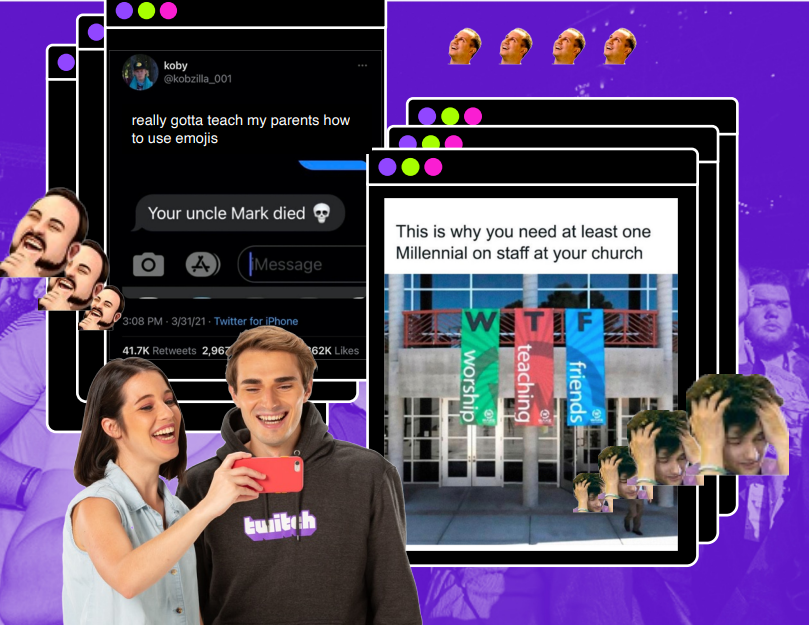
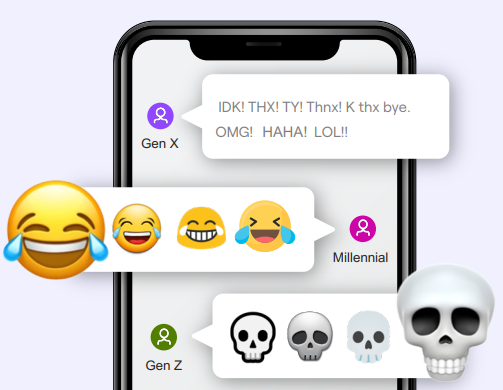
The constant growth of technology and the way we access the internet have also influenced the way different generations communicate. While millennials had to deal with poor internet access and with mobile phones without internet access, and that only evolved over time, Generation Z and Alpha have already grown up with state-of-the-art smartphones and higher quality internet access.
These two new generations are creative with their digital communication, and memes are part of their culture and the way they communicate. Generation Z is a master at conveying meaning more easily and effortlessly through a variety of images and symbols. Brands need this kind of communication, with evolved humor and creativity.
It’s no use delivering a good product if your brand isn’t engaged with your younger audience, which doesn’t show that it’s there to make a difference in the world, just like them. The experiences that these generations expect are, to say the least, the best. And the ruler only tends to grow.
This leads brands to increasingly commit to bringing the best to their consumers, whether they are current or future generations. Staying in your comfort zone won’t bring results and can even ruin your brand.
Generation Twitch is, above all, a generation that influences other people. Your brand needs to have this audience on its side so it doesn’t perish. The obvious should no longer be a part of your business strategies.