19 Essential Ecommerce Tools for Managing Your Online Store
Don’t assume that all ecommerce tools are the same. While catch-all tool suites do exist, many top tools focus on one aspect of running a successful ecommerce business.
Ecommerce tools for internal communication and management
Large ecommerce brands aren’t one-person operations. Their success is the product of an entire team’s hard work and dedication. The following tools are must-haves for any ecommerce brand that needs to keep team members connected.
1. Slack: Slack is a streamlined messaging program that’s terrific for boosting productivity and improving communications. The platform organizes team conversations into channels for optimal organization and accessibility.
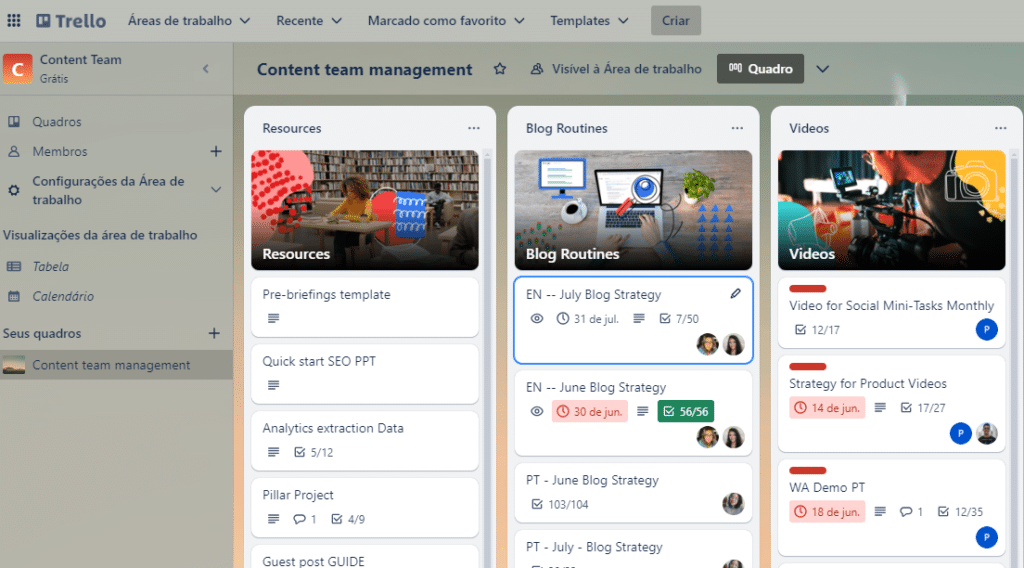
2. Trello: Trello facilitates smooth project management with features like visual organization and real-time collaboration. Options like drag-and-drop functionality and automation make it user-friendly.
3. Coda: Coda covers a variety of communications-based tasks, including calendar creation, tracking docs, etc. It also offers a Shopify pack that makes it easy to integrate the platform with your store.
Ecommerce tools for content creation
Amazing content is the heartbeat of any digital marketing strategy, and the right tools can help you create the best. Here are a few options to consider integrating into your next campaign.
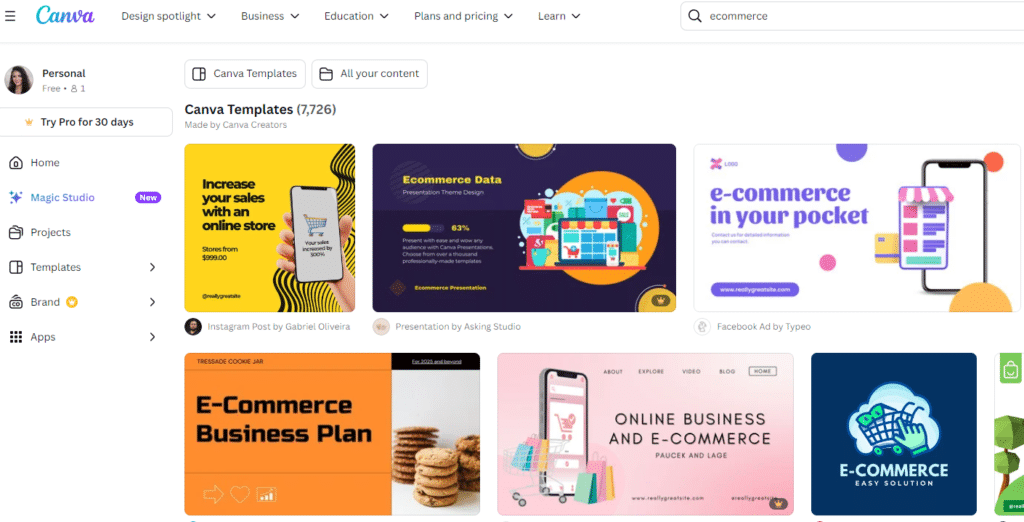
4. Canva: How your content looks is just as important as how it reads. Canva makes creating great-looking content simple with user-friendly templates and an intuitive interface. Users also get access to a robust free stock image library.
5. Adobe Express: Formerly Adobe Spark, Adobe Express simplifies the process of content creation via desktop or mobile. Brainstorm endless options for blogs, social media, tutorials, and more with AE.
6. Freelance talent network: The success of your marketing content hinges on quality, so hiring the right writers and creators is crucial. A good freelance talent network lets ecommerce brands connect with professional copywriters, bloggers, designers, and more.
Ecommerce tools for sales and logistics
Although many ecommerce platforms come with built-in sales and logistics support, tools can be a solid way to add functionality.
It’s honestly a bit wild how specialized some of these sales and logistics tools have become in the last few years. There’s literally an app or plugin for nearly every snag you can hit, from last-minute order rerouting to real-time inventory tweaks when a TikTok post suddenly blows up. Sometimes, sorting through your options can feel like scrolling through Netflix when you just want a half-hour comedy—there’s just so much, and yet you’re not always sure what’ll actually solve your problem until it’s in play.
And if you’re working with multiple warehouses or managing global shipping (which, let’s be real, is a headache for everyone at first), having something that keeps your fulfillment folks, customer updates, and carriers all on the same page is huge. Some brands would swear by tools like ShipStation for that alone, but there’s no silver bullet. You’ll probably need to try out a couple before you settle on your best fit, and there will absolutely be some “well, that didn’t work as planned” stories along the way.
Here are a few key options:
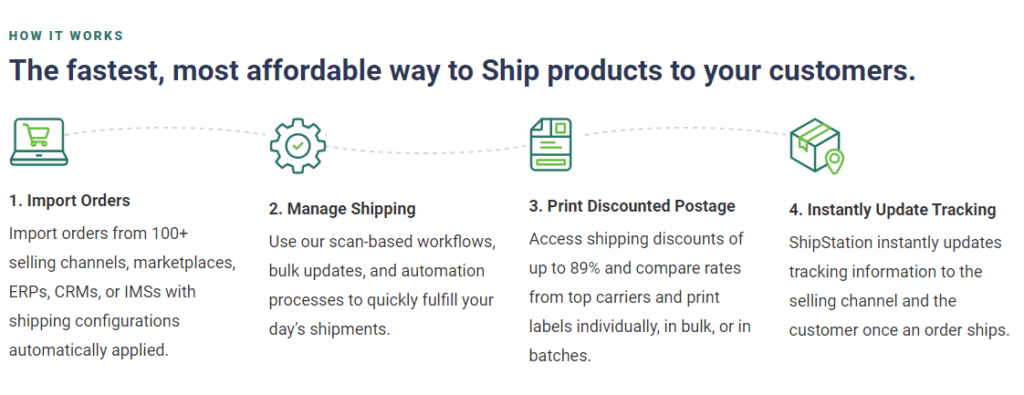
7. ShipStation: ShipStation helps ecommerce brands streamline shipping and order fulfillment operations. Key benefits and features include configurable automation, robust reporting, and access to reduced shipping costs.
8. Oberlo: Oberlo makes drop-shipping easy and intuitive with options like automated order fulfillment and detailed shipment tracking. Users also benefit from full customization, easy product importing, and 24/7 support.
9. Shipwire: Shipwire covers a variety of different tasks for dedicated ecommerce merchants, including shipping rate optimization, detailed order management, customer experience management, etc.
Ecommerce tools for marketing
A comprehensive marketing approach that includes well-chosen tools can take your ecommerce campaigns from good to great. The following tools offer several varieties of marketing support for growing brands.
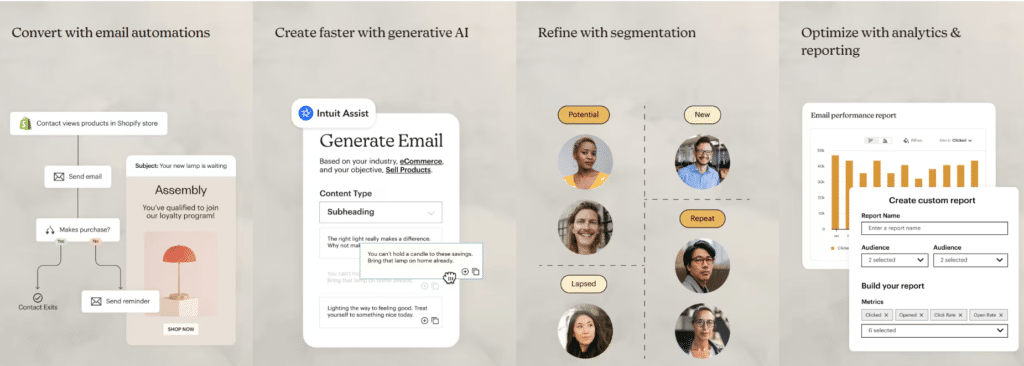
10. Mailchimp: Email newsletters are among the most effective ways to reach customers and nurture leads. Mailchimp makes building and maintaining yours easy with user-friendly design features, detailed data tracking, and Shopify integration.
11. Hootsuite: Hootsuite is a comprehensive social media tool that helps marketers leverage their digital presence. Manage all of your social media in one place, effortlessly schedule posts, and more.
12. HubSpot: If you’re looking for a powerful catch-all tool to help with marketing, it’s hard to beat HubSpot. Enjoy user-friendly access to robust content management systems, sales automation, marketing workflows, etc.
Ecommerce analytics tools
Tracking and understanding user behavior, traffic patterns, and overall return on investment (ROI) is an essential part of ecommerce success. The following ecommerce analytics tools can help you stay ahead of the game.
13. Google Analytics: This free but powerful staple tool from Google belongs in every ecommerce marketer’s toolbox. Develop a deep understanding of how your customers think in real-time, analyze traffic patterns, identify valuable audience behavior trends, etc. with this game-changing program.
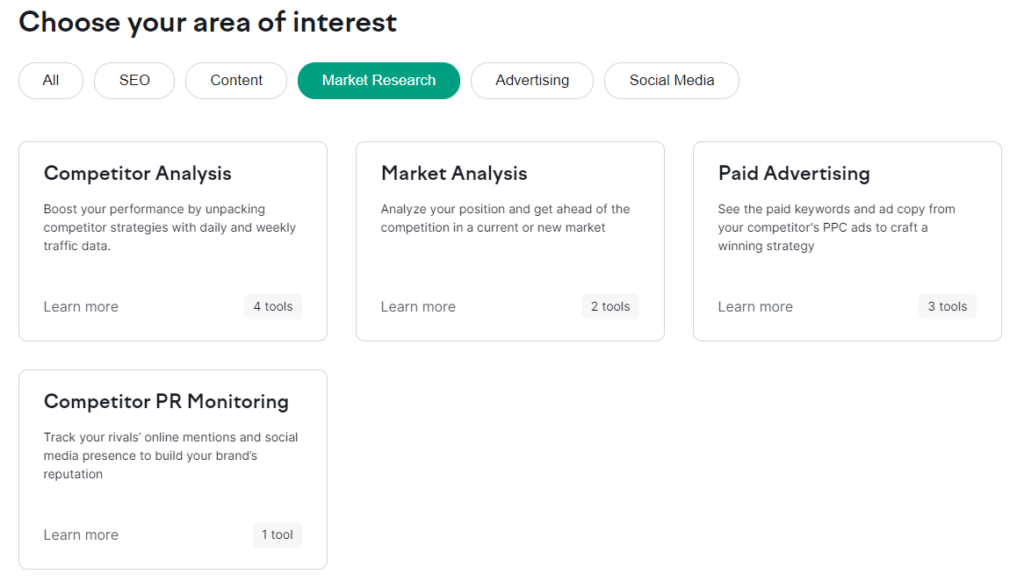
14. SEMRush: SEMRush is another robust toolkit that covers many bases. Ecommerce marketers use it to streamline keyword research, site audits, social tracking, competitive analysis, and more.
15. Optimizely: Optimizely specializes in helping ecommerce merchants deliver an exceptional user experience in a variety of ways. Leverage it to perform valuable A/B testing, SEO analysis, personalization tasks, etc.
Ecommerce tools for customer service
Thorough customer service is an absolute must when it comes to keeping ecommerce customers coming back.
Take the hassle out of making sure your customer service system is flawless with top ecommerce tools like the following:
16. Zendesk: Zendesk is a multichannel system for managing your customer service, consumer engagement, and data management needs. Standout features include a live chat option, a ticketing system, and thorough help desk support.
17. Acquire: If you’re looking for a way to facilitate faster, better customer service across multiple channels, Acquire is a fantastic option to consider. Clients can leverage it to access unified conversation views, easy access to customer information, and robust omnichannel support.
18. Zoho: Zoho is one of several AI tools for ecommerce capable of handling many aspects of your marketing campaigns. Among other things, Zoho can help you manage customer relationships with options like AI sales assistants, sales pipeline management, etc.

Ecommerce platforms
Ecommerce platforms can be tools, in a sense, but they’re so much more than that. They offer marketers access to comprehensive toolkits designed to complement one another and support ongoing success. Key examples include Shopify, Squarespace, Wix, WordPress, and Magento.
Check out our comprehensive write-up on ecommerce platforms to learn more about how they can help you succeed in ecommerce.
Integrating Interactive Content with Ecommerce
Interactivity is red-hot when it comes to creating engaging content these days. Interactive content engages ecommerce customers by making them partof an entire experience.
Integrating interactivity into your strategy can help you:
- Boost lead generation
- Increase conversions
- Enhance lasting brand awareness
Here are some more benefits to be aware of.
Personalized shopping experience
Interactive tools like personalized quizzes do more than just treat customers to a bit of good, clean fun. Match creative, engaging questions with carefully chosen results to recommend key products that are just right for your target audience.
Enhanced product understanding
Leveraging interactivity to elevate content types like ebooks, videos, and infographics can enhance your ecommerce strategy. Use them to educate your customers on the benefits of specific products and key service features.
Increased customer engagement
Creative interactive tools can also help existing and potential customers make decisions. For example, interactive calculators help consumers visualize the potential costs and savings associated with an option.
[Bonus] Tool 19: One of the best tools for interactive content creation
Ready to get to know one of the best, most comprehensive ecommerce tools out there today? Take a closer look at a tool built specifically for incredible interactive ecommerce content. It helps you cover all your bases effortlessly thanks to benefits including the following:
- Ability to create interactive calculators, ebooks, quizzes, graphics, and more without the need for coding knowledge
- Comprehensive data on content engagement and user behavior
- Quick-start templates that take the guesswork out of getting started
- Data-based targeting and personalization tools
In other words, a good interactive content tool has everything you need to create amazing, head-turning interactive content your audience will love.